Low Interest Business Financing 2026: A Strategic Guide to Affordable Capital

As the global economy continues to evolve, securing affordable capital remains the lifeblood of sustainable corporate growth. For entrepreneurs and established enterprises alike, finding low interest business financing 2026 is not just about survival; it is about seizing opportunities for expansion, innovation, and market dominance. With interest rate fluctuations and changing lending criteria, understanding how to navigate the financial landscape in 2026 is critical for your bottom line.
The Landscape of Business Lending in 2026
The financial outlook for 2026 presents a unique mix of challenges and opportunities. While central banks adjust monetary policies to stabilize inflation, lenders are becoming increasingly selective. However, the demand for low interest business financing 2026 has driven the creation of competitive loan products designed to stimulate small and medium-sized enterprises (SMEs).



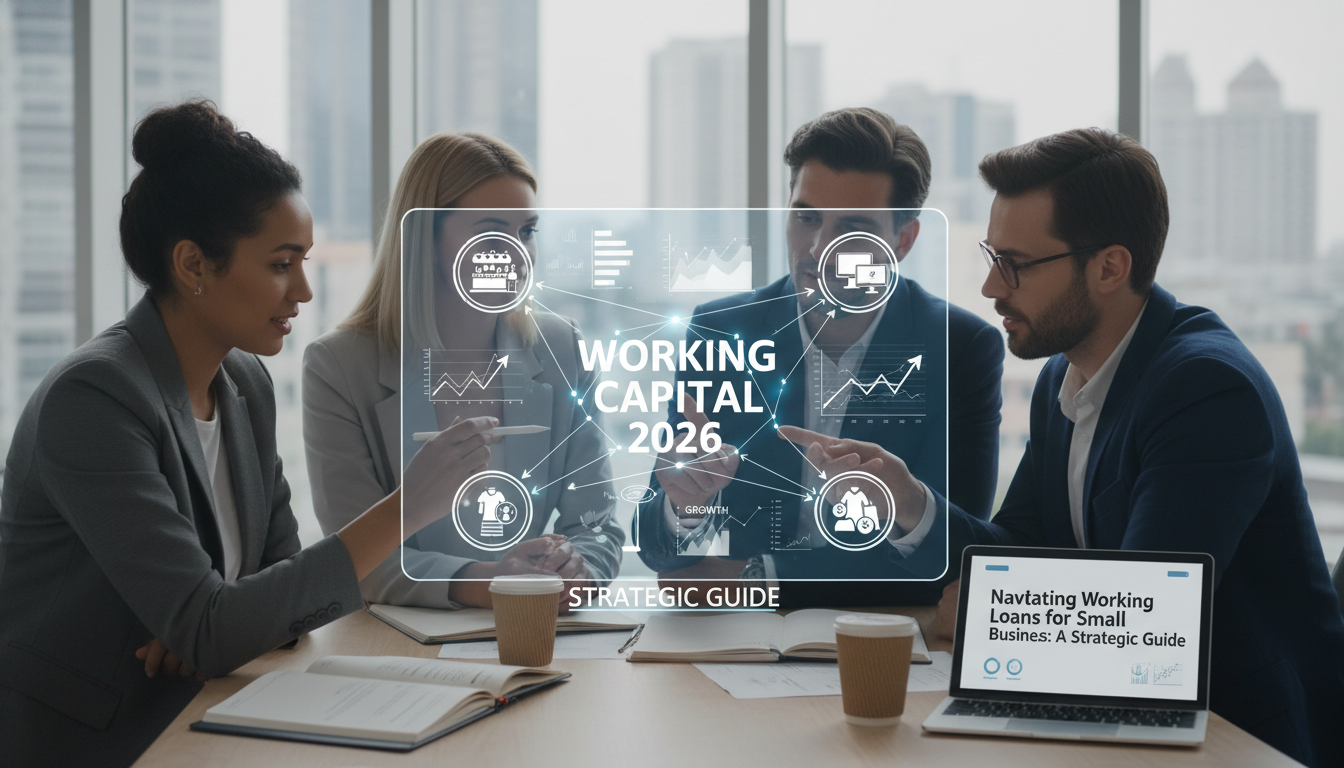


Businesses that proactively manage their credit profiles and financial health are best positioned to lock in favorable rates. Understanding the macroeconomic factors influencing these rates is the first step toward securing the funding you need without overleveraging your future revenue.
Top Sources for Low Interest Financing
To secure the best rates, you must look beyond the first offer you receive. Here are the primary avenues to explore:
1. SBA Loans (Small Business Administration)
Even in 2026, SBA loans remain the gold standard for low interest rates. Government backing reduces the risk for lenders, allowing them to offer terms that traditional loans often cannot match. specifically, the 7(a) and 504 loan programs continue to be vital for acquiring real estate and working capital.
2. Traditional Bank Loans
Large commercial banks often offer the most competitive rates for businesses with strong credit histories. If your business has a high credit score and solid cash flow, traditional term loans are a prime source of low interest business financing 2026.
3. Credit Unions
Unlike for-profit banks, credit unions are member-owned and often pass savings on to their members in the form of lower interest rates. They are particularly effective for local businesses looking to build a relationship-based lending partnership.

How to Qualify for the Best Rates
Simply applying isn’t enough; you must prove your creditworthiness. Lenders in 2026 are using advanced analytics to assess risk. To ensure you qualify for low interest business financing 2026, focus on these key areas:
- Optimize Credit Scores: Both personal and business credit scores must be impeccable. Aim for a credit score above 720 to unlock the lowest tier of interest rates.
- Solid Business Plan: Present a clear roadmap for how the funds will generate revenue. Lenders want assurance that the loan will be repaid.
- Healthy Cash Flow: Demonstrate consistent positive cash flow and a low debt-to-income ratio. This proves your business can handle the debt service.
- Collateral: Being willing to pledge assets can significantly lower the lender’s risk, resulting in a lower interest rate offer.
Preparing Your Application
Preparation is key. Before approaching a lender for low interest business financing 2026, have your documentation ready. This typically includes:
1. Tax returns for the last three years.
2. Profit and loss statements.
3. Balance sheets.
4. Legal documents (Articles of Incorporation, licenses).
5. Bank statements.
Conclusion
Securing low interest business financing 2026 is an achievable goal for businesses that plan ahead. By maintaining a strong financial profile and exploring the right lending channels—from SBA loans to credit unions—you can access the capital required to fuel your vision. Start preparing your financial records today to ensure you are ready to capitalize on the favorable lending opportunities that 2026 has to offer.